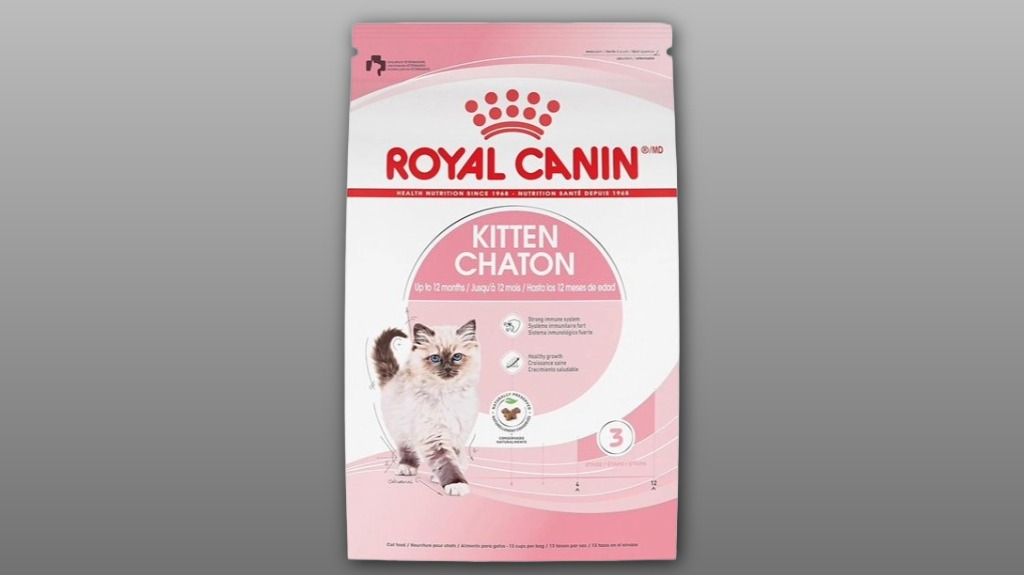
Royal Canin Feline Health Nutrition Kitten delivers a clinically calibrated formula with highly digestible proteins, measured taurine, chelated minerals, and fortified vitamins A, D, E and B-complex to support rapid growth, cardiac and retinal function, and bone development. Selected fibers and prebiotics stabilize gut microbiota and optimize nutrient absorption during gastrointestinal maturation. Kibble size and texture suit emerging teeth, and feeding is portion-controlled with mixed wet/dry options — continue for detailed feeding, switching, and pros/cons.
Some Key Takeaways
- Formulated for 4–12 month kittens with balanced protein, energy and taurine to support rapid growth and cardiac/retinal development.
- Highly digestible proteins, prebiotics and selected fibers optimize nutrient absorption and stabilize gut microbiota during GI maturation.
- Small, textured kibble pieces designed for easy prehension, mastication and mechanical breakdown by emerging teeth.
- Feeding guidance: 3–4 meals/day for young kittens, mixed-feeding wet ratio 25–50% calories, strict portion control recommended.
- Pros: clinical nutrient profile and digestive tolerance; cons: higher cost and occasional limited retailer availability.
Ingredient and Nutrition Breakdown: What’s Inside Royal Canin Kitten and Why It Matters
Because kittens need concentrated nutrients for rapid growth, Royal Canin Kitten formulates a targeted nutrient profile that prioritizes highly digestible proteins, balanced fats, and essential vitamins and minerals to support tissue development and energy demands. You’ll find measured taurine balance for cardiac and retinal function, explicit vitamin fortification (A, D, E, B-complex) to meet developmental needs, selected fiber sources and prebiotics to regulate transit and microbiota, and formulations enhancing mineral bioavailability (chelated trace elements) for bone and enzymatic processes. Ingredients are specified to guarantee consistent nutrient delivery, so you and your community can trust reproducible growth-supportive nutrition. Many kitten owners also use pet water fountains to help keep their pet hydrated and encourage regular drinking.
How This Formula Supports Growth, Immunity, and Digestion for 4–12 Month Kittens
Having outlined the nutrient composition, we can now examine how those components work together to support rapid growth, developing immunity, and maturing digestion in 4–12 month kittens. You’ll see calibrated protein and energy densities that match growth-phase anabolic demands, supporting lean mass accretion and skeletal development. An exclusive antioxidant-vitamin matrix provides targeted immune support, reducing oxidative stress and aiding adaptive responses. Highly digestible proteins, selected fibers and prebiotics optimize nutrient absorption and stabilize microbiota during gastrointestinal maturation. The formula’s micronutrient balance—calcium, phosphorus, taurine and B-vitamins—minimizes metabolic bottlenecks, so your kitten grows efficiently while maintaining physiological resilience. This formulation aligns with common standards for dry cat food designed specifically for family pet owners.
Kibble Design and Texture: Chewing, Transition From Mother/Babycat, and Mixed-Feeding Tips
When you introduce Royal Canin Kitten kibble, you'll notice its smaller, ergonomically shaped pieces and textured surface are engineered for efficient prehension and mastication by 4–12 month kittens; the bite-size profile reduces jaw strain on emerging teeth while the unique texture increases shearing action to aid mechanical breakdown. You’ll find small bites calibrated for oral dimensions and occlusal force of juveniles. The texture variety promotes salivation and particle breakdown, supporting digestive enzyme contact and transit. For shift from Mother & Babycat, offer gradual exposure and consistent mouthfeel cues. Mixed-feeding benefits from complementary textures to maintain intake and acceptance. Families of short-haired cats often prefer products designed for easy household use and family pet owners appreciate practical feeding solutions.
Feeding Amounts, Schedule, and How to Mix With Royal Canin Wet Kitten Formulas
Start by matching daily portions to your kitten’s age, bodyweight and activity level, using Royal Canin’s feeding chart as a baseline and adjusting 5–10% based on condition and appetite. Divide daily intake into 3–4 meals for kittens under six months, then 2–3 for older kittens to support stable glucose and gastrointestinal rhythm. Practice strict portion control: weigh kibbles and measure wet food. For mixed feeding, target a wet ratio of 25–50% caloric contribution depending on hydration needs and palatability. Include a clear treat allowance (≤10% daily calories). Monitor weight weekly and recalibrate meal timing and portions accordingly. Make sure you have the essential supplies every kitten needs, including appropriate kitten food, bowls, and a secure place to eat.
Pros, Cons, and Who Should Choose This Formula (and Alternatives to Consider)
Although no single kitten formula fits every situation, Royal Canin Kitten offers a focused balance of digestible proteins, targeted vitamins and antioxidants, and a kibble texture designed for small mouths—so you’ll get consistent support for growth, immune development, and digestive tolerance in kittens 4 months to 1 year. Pros: evidence-based nutrient profile, digestive tolerance, wet/dry compatibility. Cons: higher price point prompting cost considerations, mixed brand perception among natural-food advocates, occasional availability issues at smaller retailers. Who should choose it: caretakers valuing clinical formulation and predictability. Alternatives: veterinary prescription puppy-style formulas or grain-inclusive natural brands; check packaging sustainability preferences. For families seeking specialized options, consider hypoallergenic diets designed for sensitive pets and those with food intolerances.
Some Questions Answered
Is This Formula Suitable for Kittens With Food Allergies or Sensitivities?
Not reliably — you shouldn’t assume this formula suits kittens with food allergies or sensitivities. You’ll need hypoallergenic trials or novel proteins under veterinary supervision to identify triggers. The formula targets growth with standard protein blends and prebiotics, not elimination feeding. Join a care network and work with your vet to trial truly hypoallergenic or novel-protein diets, monitor clinical response, and confirm diagnosis before switching long-term feeding strategies.
Can Pregnant or Nursing Queens Eat This Kitten Formula?
Yes — you can feed pregnant or nursing queens this kitten formula. It meets pregnant nutrition needs with higher calories, proteins, vitamins and minerals to support fetal development and milk production. Follow lactation guidelines: increase feed amount and offer free‑choice or frequent meals during peak lactation, monitoring weight and body condition. If the queen has health issues, consult your veterinarian so the whole family feels supported and confident in feeding decisions.
How Long Should I Feed This Before Switching to Adult Cat Food?
You should feed the kitten formula until about 12 months of age, aligning with growth milestones and maturation. Monitor weight regularly and adjust feeding as the kitten nears adult size; many small breeds may shift earlier, larger breeds later. Use weight monitoring plus behavior and body condition scores to decide timing. When growth plateaus and weight stabilizes, gradually switch to adult food over 7–10 days to maintain digestive and social continuity.
Is Royal Canin Kitten Available in Grain-Free or Limited-Ingredient Options?
No, Royal Canin’s kitten formulas aren’t offered as true grain-free or limited-ingredient lines; you’ll find grains in their recipes. You should be aware of grain free myths that equate grain absence with superior nutrition—evidence supports tailored nutrient balance over grain exclusion. Royal Canin emphasizes ingredient sourcing transparency and precise nutrient profiles to meet kitten growth needs. You’ll belong to a community valuing measured, research-driven choices for young cats.
Where Is This Product Manufactured and What Quality Controls Exist?
Made in France and produced across Royal Canin’s Global facilities, this kitten formula undergoes strict quality testing and validated traceability systems. You’ll find batch-level tracking, supplier audits, HACCP and ISO-aligned controls, plus sensory, microbiological and nutrient assays before release. You’ll belong to a network of owners who expect transparency and consistent production standards, and you can access documented traceability and test results through customer service or regional regulatory disclosures.