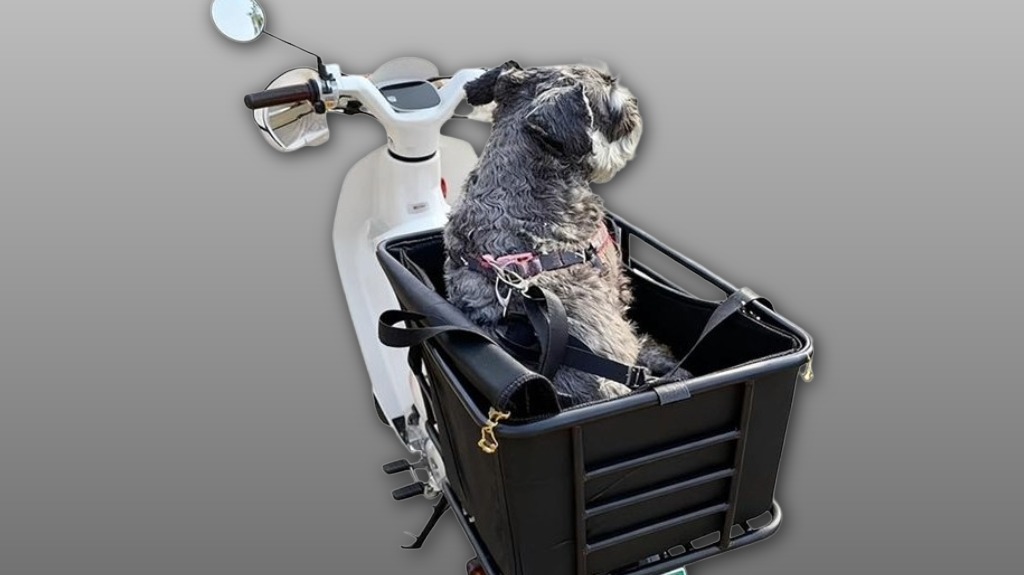

You’ll get a sturdy rear-rack dog carrier built from thick steel tubing with two-way reinforcement mounts and a padded, wind-resistant liner; it fits most racks but you should confirm rack width, tubing diameter, and load capacity first. Installation uses supplied U-bolts—loosely fit, center, then tighten incrementally—and you’ll want to attach the interior safety tether to a harness. It rides steadily on pavement and light trails for small to mid-size dogs up to about 66 lb, and more detail follows.
Some Key Takeaways
- Fits most rear racks but confirm rack width, tubing diameter, and load capacity before purchase.
- Thick steel tubing and reinforcement mounts reduce wobble and provide steady rides on pavement and light trails.
- Static load capacity near 66 lb; ideal comfort for small breeds, most comfortable in the 10–35 lb range.
- Padded, wind-resistant removable liner and high sidewalls improve comfort and reduce lateral motion.
- Use supplied U-bolts/clips, attach interior safety tether to a harness, and re-torque hardware after initial rides.
What to Expect From a Rear-Mount Bike Dog Carrier (Construction, Size, and Load Limits)
When you choose a rear-mount bike dog carrier, expect a compact but sturdy platform: thick steel tubing and two-way reinforcement mounts give rock-solid support while multiple fixing points cut wobble so your pup rides steady. You’ll appreciate clear size limits — roughly 16.1 x 12.2 x 9.1 inches and a static load near 66 lb — so you can confidently match pet weight and dimensions. The padded, wind-resistant liner adds comfort and weather protection; it’s removable for washing or swapping to haul gear. Storage capacity is modest but practical for treats, leash, and a small coat. You’ll feel safer and included. Families will also value how these carriers are designed for family pet owners who travel together.
How It Mounts: Compatibility Checklist and Step-by-Step Installation Tips
If your bike has a rear rack, this carrier will usually fit, but check specifics: confirm rack width, tubing diameter, and load capacity against the carrier’s plate, U-bolt/clip hardware, and straps. First, inspect your rack for rust or bent rails; poor rack alignment causes stress and noise. Measure tubing diameter and compare to included U-bolts; use supplied clips or stainless replacements if fit’s tight. Thread plate onto rack, loosely fit U-bolts, then center carrier and align fasteners. Tighten incrementally, check for movement, attach safety tether to harness. Monitor hardware corrosion periodically and re-torque after initial rides. For added peace of mind, consider crash-tested pet carriers when choosing gear for family travel.
Real-World Performance: Stability, Comfort, and Safety Test Results
Because the carrier’s thick steel tubing and two-way reinforcement mounts cut wobble dramatically, you’ll feel a steady ride even on uneven pavement and light singletrack. In testing, ride vibrations stayed low; minor bumps translated to muted thumps rather than jolts. Your dog settled quickly on the padded liner and high sidewalls reduced lateral motion. The interior safety tether kept position secure—use a harness for peak restraint. Leash management proved simple: clip leash to the tether, stow excess under the liner, and avoid trailing loops. Overall, stability, comfort, and safety met expectations for regular city and light-trail outings. Many family pet owners also appreciate products that make car trips easier, like pet-friendly ramps, for multi-modal adventures.
When This Carrier Is a Good Buy : Ideal Dog Sizes, Bikes, and Use Cases
The carrier’s steady ride and secure tether make it a strong choice for small, calm dogs up to about 66 lb—most comfortable for pets in the 10–35 lb range where padding and sidewall height provide good support without overhang. You’ll find it ideal for small breeds, owners who take short trips, and riders negotiating city commutes. The rear-rack mounting and two-way reinforcement work well on commuter bikes and many e-bikes, handling gentle hills without undue wobble. Choose this if you want dependable daily transport for a mellow companion, occasional errands, and shared urban rides that build routine and connection. Our shop focuses on pet car harnesses and accessories designed for family trips, making it easy to outfit your pet for safe travel.
Care, Maintenance, and Quick Troubleshooting for Common Issues
When you want this carrier to keep performing and stay safe, follow a short, regular maintenance routine that focuses on mounts, fabric, and hardware. You’ll set a weekly cleaning schedule: wipe frame, check U-bolts, and inspect straps. Monthly, remove the liner and launder per label; apply fabric waterproofing if you ride in wet conditions. For zipper care, lubricate sliders with dry graphite or silicone and clear grit with a soft brush. Tighten bolts after the first rides and recheck reinforcement mounts. For emergency repairs, carry spare straps, a multi-tool, and zip ties so you can secure the carrier and finish the ride. Also consider choosing a durable plastic crate that suits your pet and family needs for safer, longer-lasting use.
Some Questions Answered
Can It Be Used With a Child Seat Installed on the Same Rack?
You generally can’t mount this dog carrier and a child seat on the same rack simultaneously without checking fit and mounting adapters. You’ll need to verify rack width, load rating and where the child seat’s mounting adapters attach. If your rack supports the combined static load (~66 lb for the carrier plus the child’s weight) and the adapters don’t clash, you’re fine. Prioritize safety, use the carrier’s tether, and test stability before every ride.
Does the Carrier Affect Bike Handling With Panniers On?
Yes — it can, but modestly. You’ll feel shifting weight distribution when you add panniers and a loaded carrier; keep heavier items low and centered to minimize sway. Check wheel clearance so panniers or the carrier don’t rub the tire. Use the multiple fixing points and straps to secure everything; that rock-solid support plus balanced packing keeps handling predictable and helps you ride confidently with others.
Are Replacement Parts or Extra Straps Available Separately?
Yes — you can get replacement straps and spare buckles separately. Check the manufacturer or retailer for accessory packs; they often sell individual straps, buckles, and mounting hardware. If official parts aren’t listed, community sellers and bike forums usually share compatible alternatives. You’ll want matching width and durable webbing; ask the seller about load ratings and stitching. That keeps your carrier reliable and helps everyone in your riding group stay safe and included.
Is the Carrier Compatible With Rear Suspension Seatpost Clearance?
Yes — you’ll usually avoid seatpost interference if your rear suspension has typical travel and a raised rack. The carrier’s universal rear-rack fit and two-way reinforcement mounts keep it stable while providing enough suspension clearance for many setups. Measure from your seatpost pivot to the rack; if clearance’s tight, you’ll want a raised or long-profile rack. You’ll feel confident fitting it, and you’ll join other riders with similar setups.
Can This Carrier Be Airline-Checked or Used on Ferries?
You probably can't airline-check this carrier as-is; most airlines have strict airline restrictions and size limits, and they'll assess baggage fees for oversized items. You can use it on ferries, though policies vary—many ferries accept pet carriers if secured and stowed. Check each carrier’s rules, remove the padded insert if needed to meet dimensions, and bring documentation; that way you’ll stay compliant and feel supported by fellow travelers.