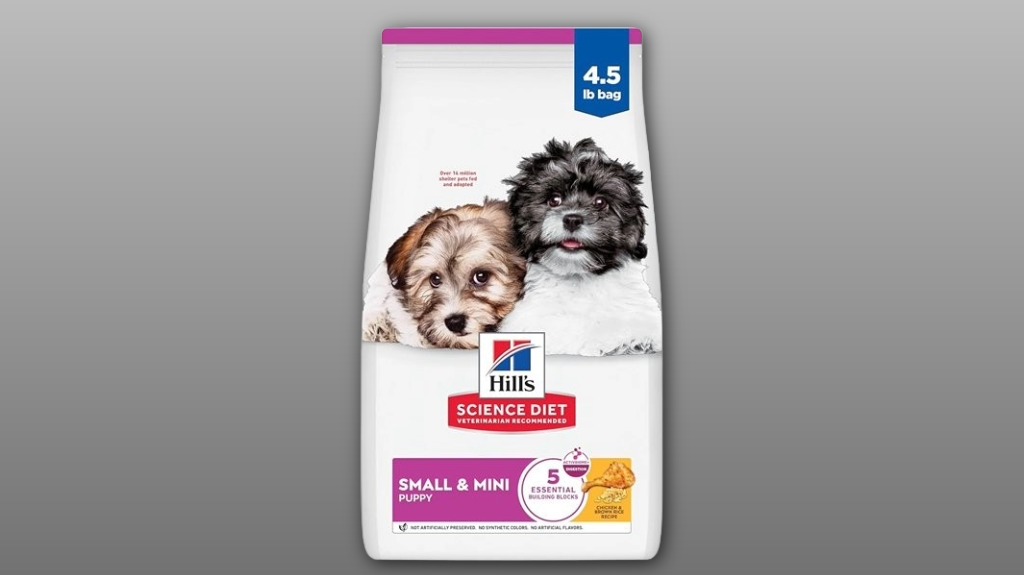
You’ll find Hill’s Science Diet Puppy Small & Mini Breeds delivers concentrated, vet-formulated nutrition that supports brain, eye, and bone development with DHA from fish oil, calibrated calcium/phosphorus ratios, and high-quality animal protein. The kibble is sized for small mouths, calorie-dense for fast metabolisms, and designed for predictable growth without excess calories. Expect good digestibility with gradual changes; monitor stool and appetite. Continue for specifics on feeding amounts, bag sizes, and practical tips.
Some Key Takeaways
- Formulated with DHA-rich fish oil to support retinal and neural development in small and toy-breed puppies.
- High-quality animal protein and balanced calories support lean growth and the higher metabolic needs of small breeds.
- Calcium and phosphorus ratios are calibrated for proper bone mineralization without promoting excessive growth.
- Small, kibble size and digestible ingredients suit tiny mouths and help maintain stool quality during growth.
- Vet-recommended, made in the USA; choose smaller bag sizes and follow feeding guidance for freshness and optimal intake.
How the Formula Supports Brain, Eye, and Bone Development
Because early development sets lifelong outcomes, this formula delivers targeted nutrients that support brain, eye, and skeletal growth in small and mini breed puppies. You’ll notice provisions aimed at early cognition and neuromotor development are balanced for rapid maturation without excess calories. Clinical evidence aligns DHA and supportive nutrients with improved retinal health and neural signaling, enhancing visual acuity and learning. Mineral balance and bioavailable protein provide skeletal support for dense, properly mineralized bone and coordinated motor milestones. You belong to a community prioritizing vetted, vet-recommended nutrition; this formula fits that preventive, development-focused approach for small-breed puppies. Many owners of grain-free pets prefer diets formulated specifically for small and mini breeds.
Ingredient and Nutrient Breakdown: DHA, Protein, Minerals, and Calories
Having reviewed how the formula supports early brain, eye, and bone development, let’s examine the specific nutrients that produce those effects: DHA, high-quality protein, balanced minerals, and calorie density. You get DHA from fish oil—an omega fatty acids source shown to support neural and retinal maturation. Protein contains essential amino acids for lean tissue accretion and activity; Hill’s uses animal-based proteins with digestibility appropriate for small breeds. Mineral ratios (calcium, phosphorus) are calibrated to promote skeletal growth without excess. Calorie density matches higher metabolic rates of small puppies, helping you maintain steady weight gain and development. Fresh pet foods often emphasize whole-food ingredients to support overall health and palatability.
Real-World Performance: Feeding Guidance, Kibble Size, and Digestion for Small Breeds
Start by matching portion sizes to your pup’s current weight and activity level, and adjust based on steady weight gain and stool quality. You’ll follow portion adjustment guidance on the bag as a starting point, then refine feeding frequency and grams per meal. Kibble size suits small mouths; monitor chewing and swallowing to guarantee safety. Digestion is typically regular when progressions are gradual over 7–10 days; watch for loose stools or decreased appetite. Small breed palatability supports consistent intake, helping growth and training. If digestion or weight trends deviate, consult your veterinarian for tailored adjustments and reassurance. Essential vitamins support healthy growth and development, so ensure your puppy receives balanced nutrition with key vitamin support.
Pros, Cons, and Which Puppies Benefit Most From This Food
While tailored for small and mini puppies, this formula delivers clear strengths and a few caveats you should weigh: You get DHA for neurodevelopment, high-quality protein for lean growth, and balanced minerals for bone health — evidence-based benefits suited to active toy and small-breed puppies. Pros: small kibble, digestibility, veterinarian endorsement, inclusive community of owners. Cons: higher price than some supermarket brands — factor in cost considerations — and limited flavor options if your pup is picky. Best for owners of growing small-breed puppies needing concentrated nutrition, predictable intake, and clinical support during early development. This makes it a solid option for family pet owners seeking puppy food guidance.
Where It’s Made, Vet Recommendation, and How to Buy the Right Bag Size
Because Hill's manufactures this puppy formula in the USA using globally sourced ingredients, you get domestic production oversight combined with ingredient flexibility to meet nutritional specs. You can trust the Made in USA label for supply-chain transparency and consistent formulation. This product is Vet Recommended; consult your clinician to confirm suitability for your puppy’s growth stage and any medical needs. For Bag Sizing, choose the 4.5 lb bag for small litters or trialing; move to larger sizes only if storage and turnover prevent rancidity. Review Purchase Options—vet clinics, pet retailers, and online subscriptions—to balance cost, freshness, and access. Consider your puppy’s comfort and health when choosing feeding and care tools like a pet thermometer to ensure appropriate environment and monitoring.
Some Questions Answered
Does This Formula Contain Any Artificial Preservatives or Colors?
No — this formula doesn't contain artificial preservatives or color additives. You can expect ingredients chosen to support growth without synthetic preservatives or added dyes; DHA from fish oil, high-quality protein and balanced minerals are included for development. You’ll find it made in the USA with global ingredients and veterinarian recommended, so you can feel confident feeding it to small and mini breed puppies who belong with owners prioritizing evidence-based nutrition.
Can Adult Small Dogs Eat This Puppy Formula Short-Term?
Yes — you can feed an adult small dog this puppy formula short-term, but monitor calorie intake and plan an adult progression. Puppy diets are higher in calories, protein and DHA to support growth; they meet needs for short periods but may cause excess weight if continued. Gradually switch to an adult maintenance diet over 7–10 days, tracking weight and body condition, and consult your vet to align feeding amounts with activity and health goals.
Is This Food Suitable for Puppies With Food Sensitivities?
Not necessarily — you’ll need veterinary consultation first. This formula isn’t marketed as a limited ingredient or novel protein hypoallergenic formula, so puppies with proven food sensitivities may not tolerate it. You should work with your vet to identify triggers, consider elimination diets or truly hypoallergenic/novel-protein options, and monitor responses. Your vet can recommend suitable therapeutic or prescription diets that better address sensitivity while supporting growth and belonging to a care plan.
How Long Should Puppies Stay on This Food Before Switching?
You should keep puppies on puppy formula until they reach growth milestones for adulthood, typically around 9–12 months for small and mini breeds. Monitor weight, dentition, and activity; adjust feeding frequency as they age from 3–4 meals daily to 2 meals. Consult your vet before switching; they'll confirm timing based on growth curve and body condition. You’ll stay confident knowing decisions align with clinical guidance and community standards.
Does the Bag Include a Freshness Reseal or Oxygen Absorber?
No, the bag doesn't include oxygen packets, but it does feature resealable packaging to preserve freshness after opening. You’ll want to close the zip tightly and store the bag in a cool, dry place to maintain nutrient integrity. If you prefer extra protection, transfer kibble to an airtight container or add food-safe oxygen absorbers separately. That keeps DHA and protein quality optimized for your puppy’s development and gives you confidence in storage.