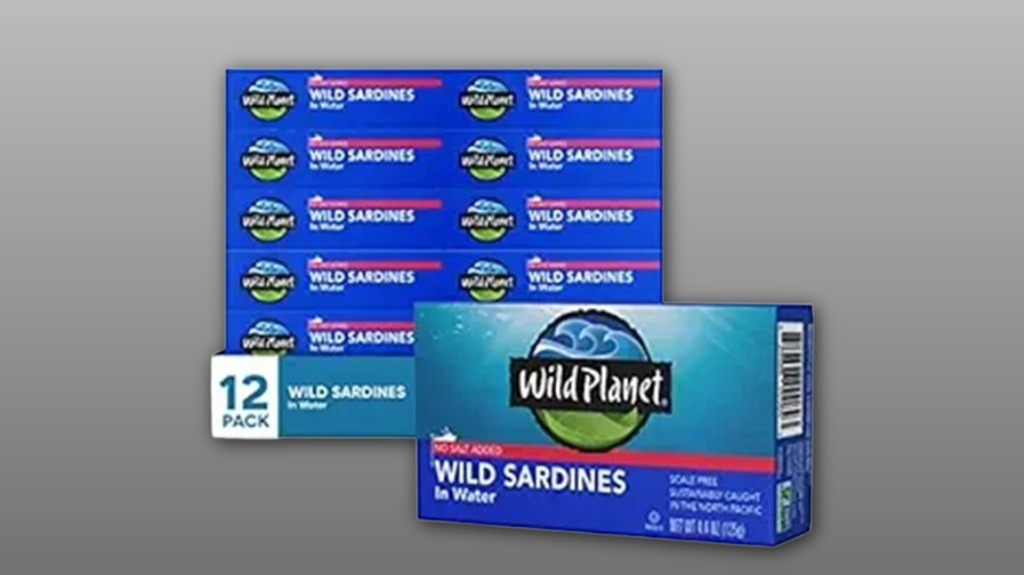

You’ll find Wild Planet Wild Sardines in Water deliver firm, meaty fillets with a clean, subtle umami instead of heavy brine, and scale-free presentation for easy serving. A 3 oz portion gives about 18 g protein, 1,800 mg EPA+DHA, and roughly 70% DV vitamin D. Ingredients are simple—sardines and water—with non‑GMO, gluten‑free, OU Kosher labeling. They’re handy for salads, keto, or snacks, and sustainable North Pacific sourcing supports responsible harvests; more details follow.
Some Key Takeaways
- Tender, meaty fillets with mild umami flavor and flaky texture, not strongly briny.
- 3 oz serving delivers 18 g protein, 1,800 mg EPA+DHA, and 70% DV vitamin D.
- Packaged scale-free in 4.4 oz pull-tab tins, convenient for single-serve use and portable snacks.
- Wild-caught from the North Pacific with selective gear, fisheries quotas, and transparency for sustainable sourcing.
- Versatile for salads, spreads, keto/paleo diets, and as a pet toppers; buy 12-pack for savings and rotate stock.
What’s in the Tin: Nutrition, Ingredients, and Serving Facts for Wild Planet Wild Sardines in Water
When you pop open a 4.4 oz pull‑tab tin of Wild Planet Wild Sardines in Water, you get a lean, protein-forward serving built for nutrition and convenience. You’ll find simple, clear labeling that reflects ingredient transparency: sardines, water, no salt added. The 3 oz serving delivers 18 g protein, 1,800 mg EPA & DHA, and 70% DV vitamin D — a compact nutrient profile that supports shared meals and active days. Calorie breakdown is modest, keeping servings snackable or meal-ready. Non-GMO, gluten-free, OU Kosher Pareve, and sustainably wild-caught from the North Pacific. Our site also offers resources for turning canned fish into healthy homemade-style meals for pets and families, emphasizing dehydrated pet food options.
How They Taste and Feel: Texture, Flavor, and Scale-Free Presentation
Beyond the numbers and clean ingredient list, the eating experience of Wild Planet Wild Sardines in Water is immediately noticeable: they’re meaty and tender with a gentle, flaky bite rather than a mushy or oily mouthfeel. You’ll appreciate the scale-free presentation — no fiddly scales or bones — which makes serving effortless and inviting. Texture offers a pleasant mouthfeel contrast: firm flesh gives way to delicate flakes. Flavor leans clean, with a subtle umami richness that feels honest, not briny. You can plate them plainly or fold them into shared dishes; they welcome you and the people you eat with. These treats also pair well with pet-friendly jerky snacks like those from small-batch, family-focused brands Healthy Homemade Jerky.
Who Should Buy Them and When: Use Cases, Diet Compatibility, and Portioning
If you're looking for a nutrient-dense, no-fuss protein to slot into meals or snacks, Wild Planet Wild Sardines in Water fit the bill — they're especially good for people prioritizing heart and bone health, busy weeknight cooks, and anyone on restricted diets. You’ll reach for them when you need quick protein: tossed on salads, blended into spreads, or paired with crackers for portable fuel. They work for paleo, gluten-free, kosher, and low-carb plans, and serve well as keto snacks. Portion by 3 oz servings (one tin covers most needs), or split tins for controlled meal prep. These sardines also make an easy topper for pet meals when you want to support digestion naturally.
Sustainability & Sourcing: Wild-Caught North Pacific Practices and Bycatch Controls
You’ll also want to know where these sardines come from and how they’re caught, since sourcing affects both flavor and long-term availability. You’ll feel reassured: Wild Planet sources from the North Pacific using selective, wild-caught methods that prioritize healthy stocks. Strong fisheries management and routine ecosystem monitoring guide quotas and timing, reducing pressure on the species. Crews aim to eliminate bycatch with targeted gear and on-board practices, so what lands is primarily the sardines you’ll eat. That transparency fosters community trust — you’re choosing a product tied to responsible harvests, predictable quality, and shared stewardship of the ocean.
Buying Tips and Verdict: Packaging, Convenience, Labeling (Non-GMO, Kosher, Gluten-Free) and Final Recommendation
While compact tins and pull-tabs make these sardines effortless to open and eat straight from the pack, the real convenience shows up in how thoughtfully they're labeled and portioned for daily use. You’ll appreciate easy portability—4.4 oz tins fit backpacks and lunchboxes, and scale-free fillets reduce mess. Check labeling clarity: Non-GMO, gluten-free, OU Kosher Pareve and nutrition claims are explicit. Buy the 12-pack to save and keep steady supply. Store unopened tins cool and rotate stock. Verdict: dependable, nutritious, and community-minded — a pantry staple that respects taste, sustainability, and your shared values. For families managing multiple pets and pantry items, consider smart storage solutions like airtight bins to keep tins organized and longer-lasting.
Some Questions Answered
Are These Sardines Safe for Pregnant or Breastfeeding People?
Yes — you can eat them during pregnancy and while breastfeeding. For pregnancy safety and breastfeeding guidance, these sardines are low in mercury, rich in omega-3s (EPA/DHA) and vitamin D, and provide protein, so they support fetal and infant development. You’ll want to follow general seafood limits, eat varied fish, and check with your clinician about portions. Enjoy them confidently as a nutritious, convenient option that connects you to shared food choices.
Do They Contain Any Mercury Testing or Levels Information?
Yes — the company shares mercury testing information and lab reports showing very low mercury levels in their sardines. You can review those lab reports to confirm safety; they detail third-party testing and results consistent with small, short-lived forage fish. You’ll feel reassured knowing the product undergoes routine mercury testing, and the transparent lab reports help you join others who prioritize safe, sustainable seafood choices.
Can I Freeze Unopened Tins for Long-Term Storage?
Yes — you can freeze unopened tins for long-term storage, and they’ll stay safe for months. Expect some texture changes: the meat may firm slightly and watery brine can expand, but flavor and omega-3s remain largely intact. Wrap tins in a freezer bag to limit odors and temperature swings. You’ll keep a reliable, portable protein stash; label dates so your group shares consistently fresh cans and nothing gets forgotten.
Are the Tins Bpa-Free or Safe for Acidic Foods?
Yes — the tins are bpa free certification compliant, so you can feel secure about storage and acidity. You’ll notice no metallic taste; the can lining’s stable, and can lining reactives are minimized by design. You’ll enjoy the clean, meaty texture without worrying about chemical interaction. Trust the labeling and sustainable sourcing; you’re part of a community that values safe, thoughtful packaging and shared, flavorful meals.
Do They Qualify for Any Snap/Food Assistance Programs?
You can’t enroll the product itself in SNAP or other food assistance — eligibility is based on your income eligibility and benefit access through local programs. Check your state’s SNAP/WIC rules and community food banks; they’ll tell you if canned seafood qualifies and how to use benefits. Reach out to peers or caseworkers for warm guidance; you’ll get concrete steps, nearby outlets that accept benefits, and assistance applying so you don’t feel alone.